


A Life in Pipes
reflections with professional organist & old Carthusian philip scriven (v88)
15 april 2026
charterhouse news
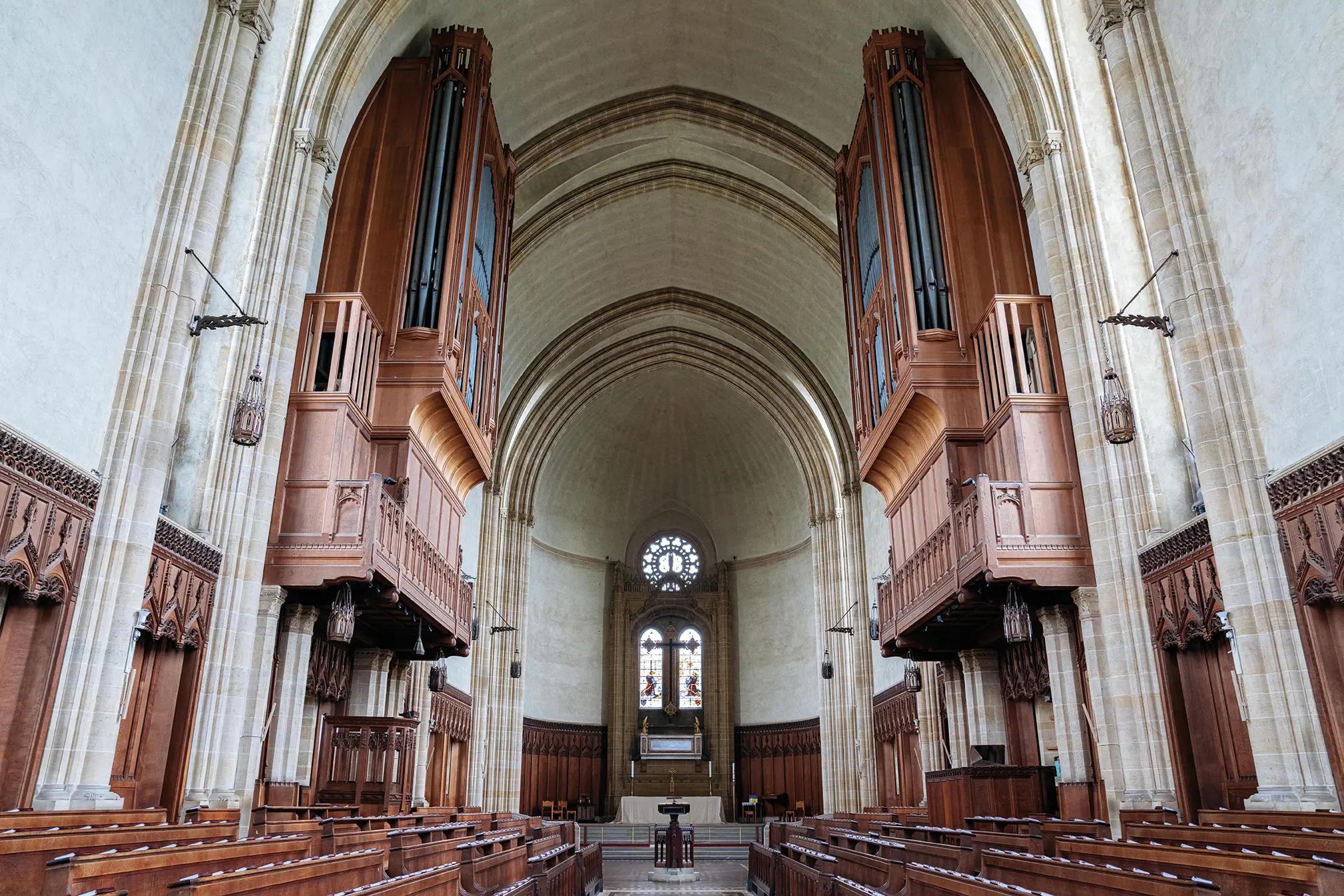
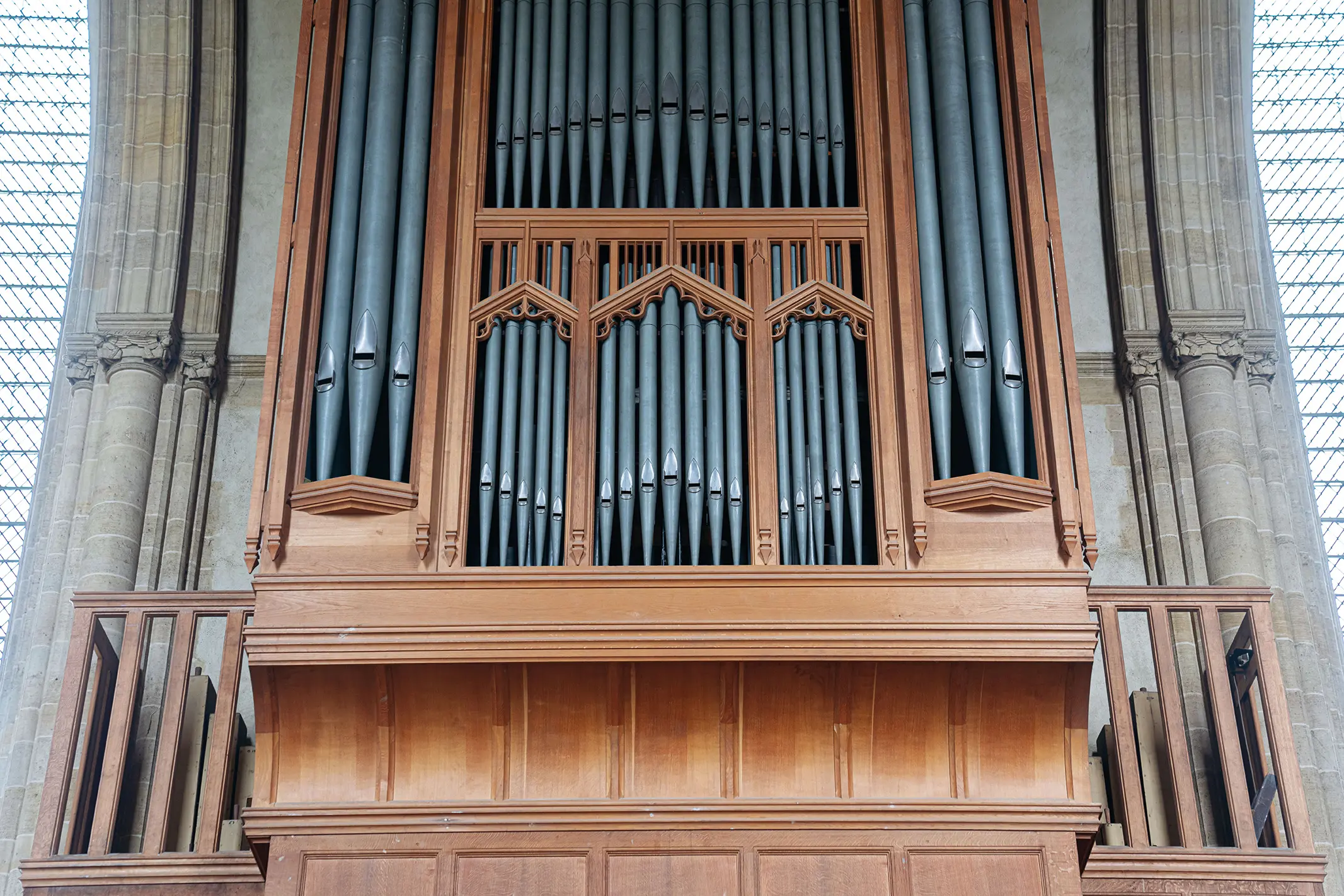
Philip’s journey towards becoming one of the country’s most celebrated organists began as a chorister at Westminster Abbey. His voice broke during his final year, prompting the Abbey to send him “up to the organ loft” to help the organists: turning pages, preparing music, and absorbing the world of the instrument first‑hand.
When I think back to where my love of the organ began, I find myself standing once again in the organ loft of Westminster Abbey. I was a chorister there for four years, and in my final year my voice broke, rendering me somewhat useless in the choir stalls below. Instead, I was invited upstairs to assist the organists; this was my first real introduction to organ playing. To be so close to that magnificent instrument, watching masters at work, and to feel the building respond to every note — they were experiences that left an enduring mark. By the time I arrived at Charterhouse, I was entirely captivated.
At Charterhouse, I took to the organ like a duck to water, and that early spark became a true passion. I began learning with Robin Wells, who was then the School organist and later Director of Music; he was the most inspirational teacher. I started on the small organ in Founders’ Chapel, which many of us saw as the gateway to something much greater: the mighty instrument in Memorial Chapel. That “carrot,” as it often felt, was hanging there from the moment I arrived.
However, I was equally struck by the people; the music department was, quite genuinely, a family. Bill Llewellyn, Robin Wells, and before them John Wilson — together they embodied a kind of musical apostolic succession. Their generosity of spirit and genuine care for young musicians created an atmosphere in which we thrived. For us music scholars, the department was our second home. In breaks, between rehearsals, late into afternoons, we would gather there to practise and to spur each other on. Those friendships and those musical conversations shaped me every bit as much as formal lessons did. It was a very special place to be a part of.
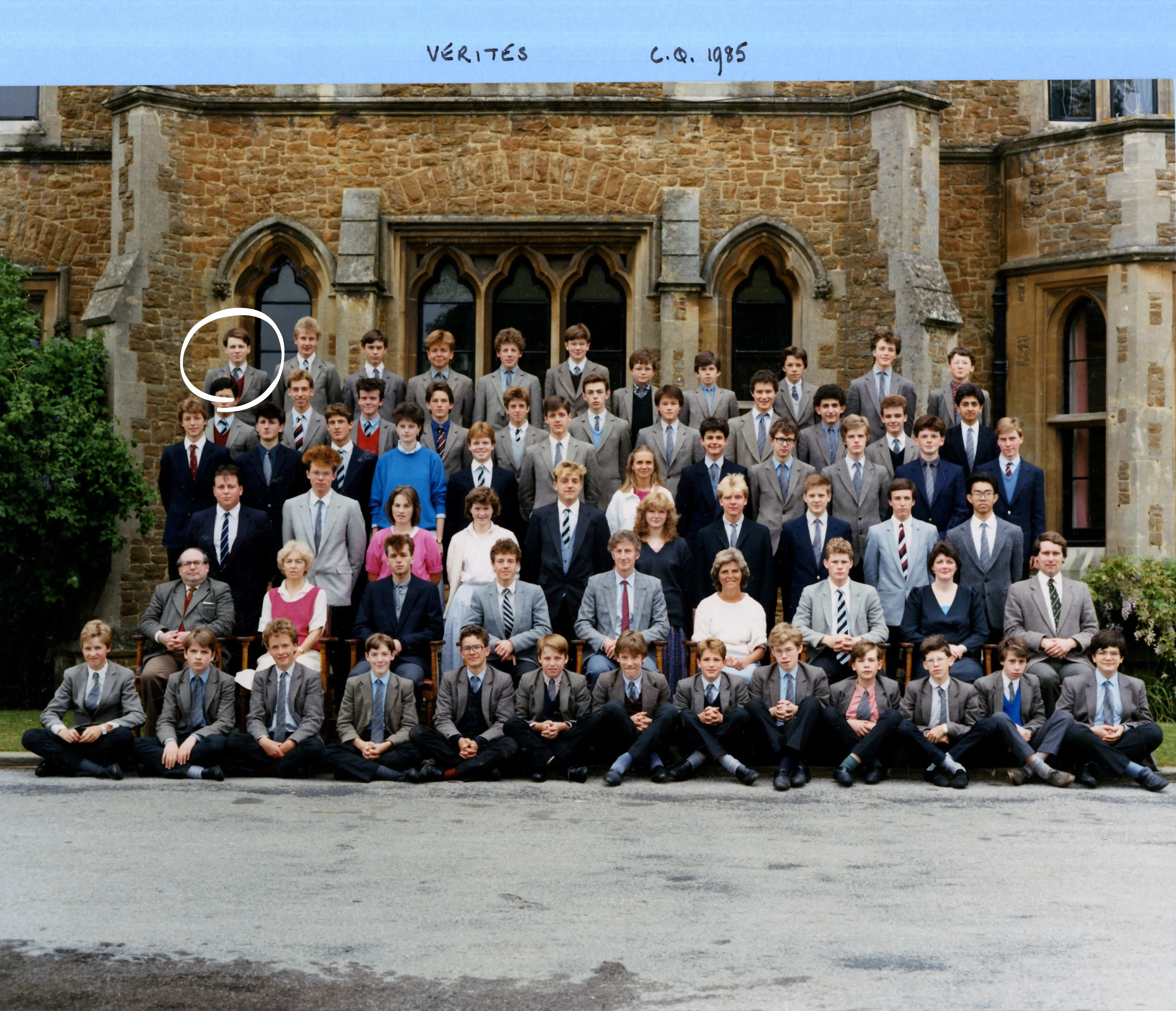
Certain memories remain vivid: performing Bach’s St Matthew Passion under Bill Llewellyn’s direction; a singing day with the renowned conductor and organist Sir David Willcocks; the joy Bill could inspire in congregational hymn singing, sometimes through methods as creative as slipping a £10 note into a hymn book just to see whether the pupil had opened it. These moments didn’t just make us better musicians; they made us love music more deeply.
As I moved through the School, I was inspired by older pupils too, especially Philip Kenyon (P84), an exceptional organist who went on to St John’s College, Cambridge. When he later returned to Charterhouse for a year to teach, he became a direct link to the path I myself hoped to take. And in due course, after two formative years as Organ Scholar at St George’s Chapel, Windsor Castle, I followed him to the same organ scholarship at St John’s.
But my education didn’t stop there. My love of conducting took me from Cambridge to Vienna for three years, and then across the Atlantic to New York, where I completed my Master’s at the Juilliard School. Yet as I immersed myself in orchestral and operatic worlds, the organ and choral music remained at my core. They were what I returned to — first at Westminster Abbey as an organist, then at Winchester Cathedral as Sub‑Organist, and later as Director of Music at Lichfield Cathedral.
Since 2010, Philip has served as Organist‑in‑Residence at Cranleigh School, a role created thanks to a transformative donation that funded their own new instrument — an experience that gives him a particularly personal understanding of Charterhouse’s current undertaking.
After 8 years, I felt I was getting further away from what I loved to do. As is the case with so many jobs, when you move up the ladder the administration of a department takes over; did I want to continue managing an organisation, or return to the heart of what I loved — playing the organ and working directly with choirs? The answer drew me back to Surrey, where I became Organist‑in‑Residence at Cranleigh School. It was a kind of homecoming, and an amazing opportunity to come back to this part of the world, within striking distance of Charterhouse.
Throughout all these years, the organ itself has never ceased to fascinate me. Mozart wasn’t wrong when he called it the “king of instruments.” It almost feels like having an orchestra at your fingertips. Yet playing it is about more than mastering manuals and stops. Every space has its own acoustics and way of shaping sound.
I often tell my students: you’re not just playing the organ, you’re playing the building!
PHILIP SCRIVEN (V88), PROFESSIONAL ORGANIST
The repertoire, too, is endlessly rich: the great compositions of Bach, but also the powerful national traditions from a vast variety of countries. I love the French Romantic tradition; in fact, I recall as a Specialist at Charterhouse, when asked in a careers interview at age sixteen where I most dreamed of playing, I said without hesitation: Notre Dame in Paris. I had spent hours listening to recordings of that instrument, and its sound was entirely inspiring. To my amazement, many years later I had the privilege of playing a concert there — a dream I first shared as a schoolboy at Charterhouse.
The new organ represents a bold statement of belief in traditions of organ composition, in craftsmanship, in beauty, and in the next generation of musicians who will uncover the endless discovery of that instrument. To the pupils who will one day sit where I once sat: the organ will connect you to centuries of musical tradition. For any budding professional conductors, so many started off as organists because, as I say, you’re not just playing a single line, you’re playing the whole orchestra — you are the music!
For young organists today, Philip’s advice is simple: embrace curiosity, and embrace the “sheer technical wizardry” of the instrument. The opportunities Philip describes — from playing in world‑renowned buildings and partnering with choirs, to travelling widely — paint a vibrant picture for what the next generation of organists can aspire to.
I know how challenging the landscape is for organs across the country. Many churches struggle financially, electronic substitutes are increasingly common, and organs can fall into disrepair for lack of resources. Against that backdrop, the generosity shown by the Charterhouse community is amazing to hear.
Your support ensures that future pupils will feel the same spark of wonder that shaped Philip’s life and career, and that Charterhouse’s musical heritage continues with renewed strength.
I look forward to hearing, and of course playing, the new instrument once it is installed. My connection to Charterhouse has been lifelong, and the chance to see this new chapter unfold feels incredibly heartening.
PHILIP SCRIVEN (V88), PROFESSIONAL ORGANIST
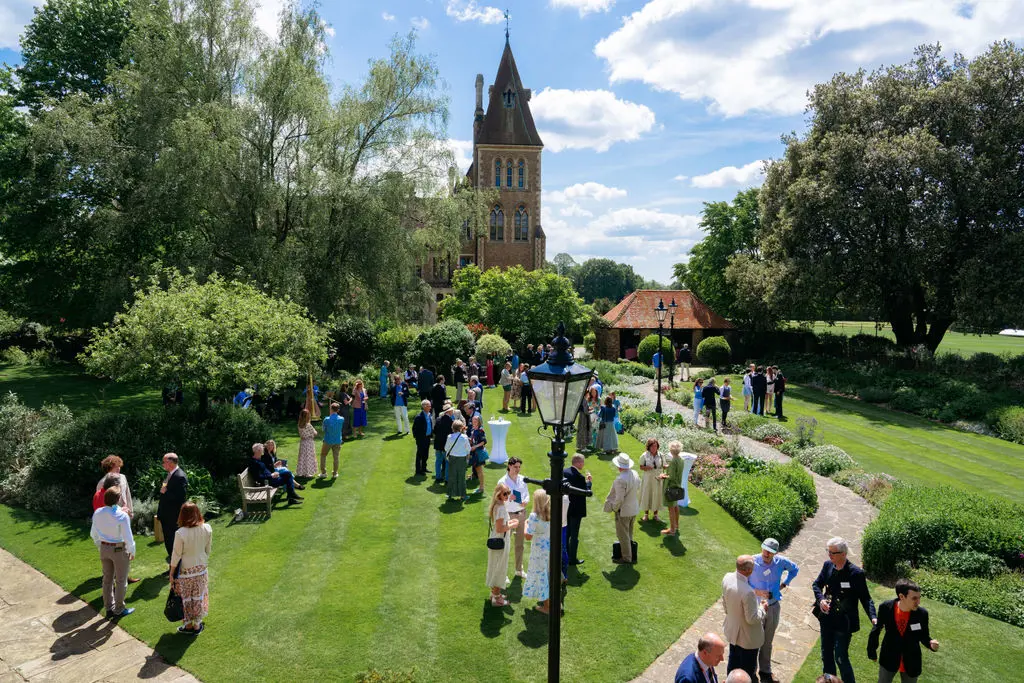
If you would like to hear more updates, join us at Carthusian Day on 23 May, where Memorial Chapel will be open for visitors. |
 |


